 how-to
Does Ceramic Coating Prevent Paint Scratches?
Table of Contents
- Does Ceramic Coating Prevent Paint Scratches? The Honest Answer
- How Ceramic Coating Works on Car Paint
- Is Ceramic Coating Scratch Proof? Understanding Scratch Types and Severity
- Does Ceramic Coating Remove Scratches? What to Do About Existing Damage
- Ceramic Coating vs Paint Protection Film: Which Prevents Scratches Better?
- How to Maintain a Ceramic-Coated Car to Reduce Marring
- Conclusion: Setting Realistic Expectations for Ceramic Coating
- Frequently Asked Questions
Last Updated: October 14, 2026
Does Ceramic Coating Prevent Paint Scratches? The Honest Answer
No, ceramic coating does not prevent paint scratches in the way most people hope.
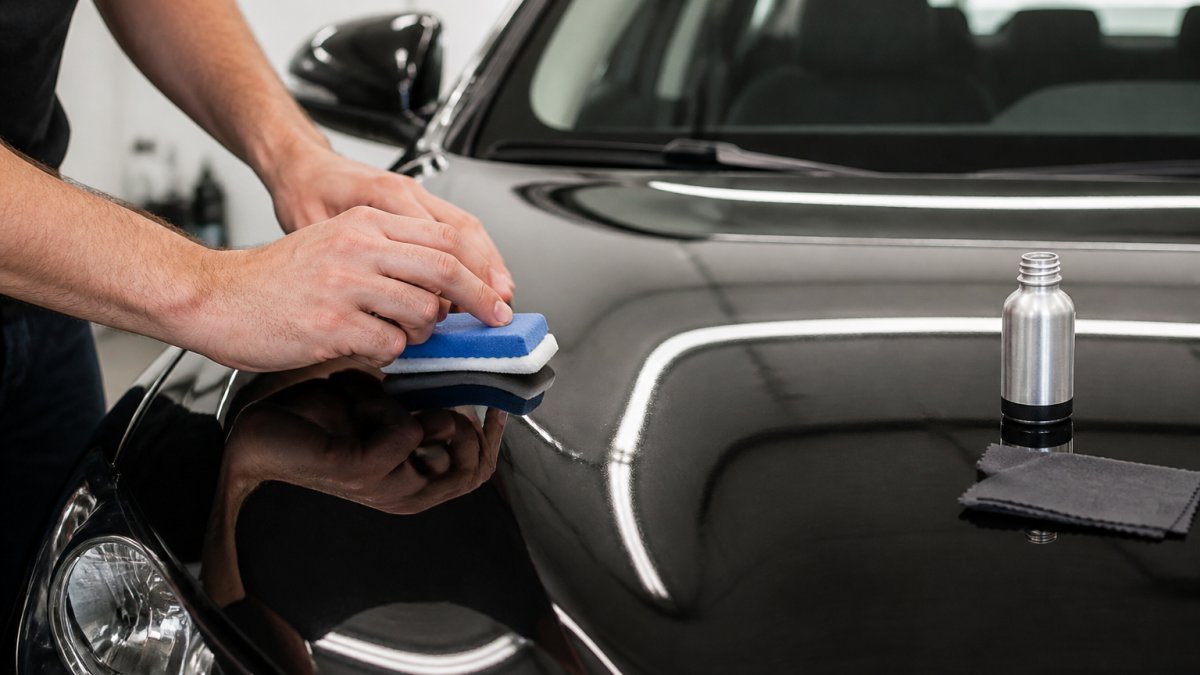
At Ipswich Car Care, we field this question constantly, and the honest answer saves people money. A ceramic coating is a liquid polymer that bonds to your car's clear coat and cures into a hard, glossy film.
Below, we break down exactly what a coating can and cannot do, how it compares to paint protection film, and how to maintain coated paint so it stays looking sharp.
How Ceramic Coating Works on Car Paint
Ceramic coating forms a chemical bond with your clear coat, creating a hydrophobic surface that sheds water and contaminants. The coating is measured in microns, and that thinness is the key to understanding its real-world protection.
A typical coating measures just a few microns thick. Your clear coat is roughly 30 to 50 microns. So the coating sits on top as a sacrificial layer, but it is far too thin to absorb a hard impact.
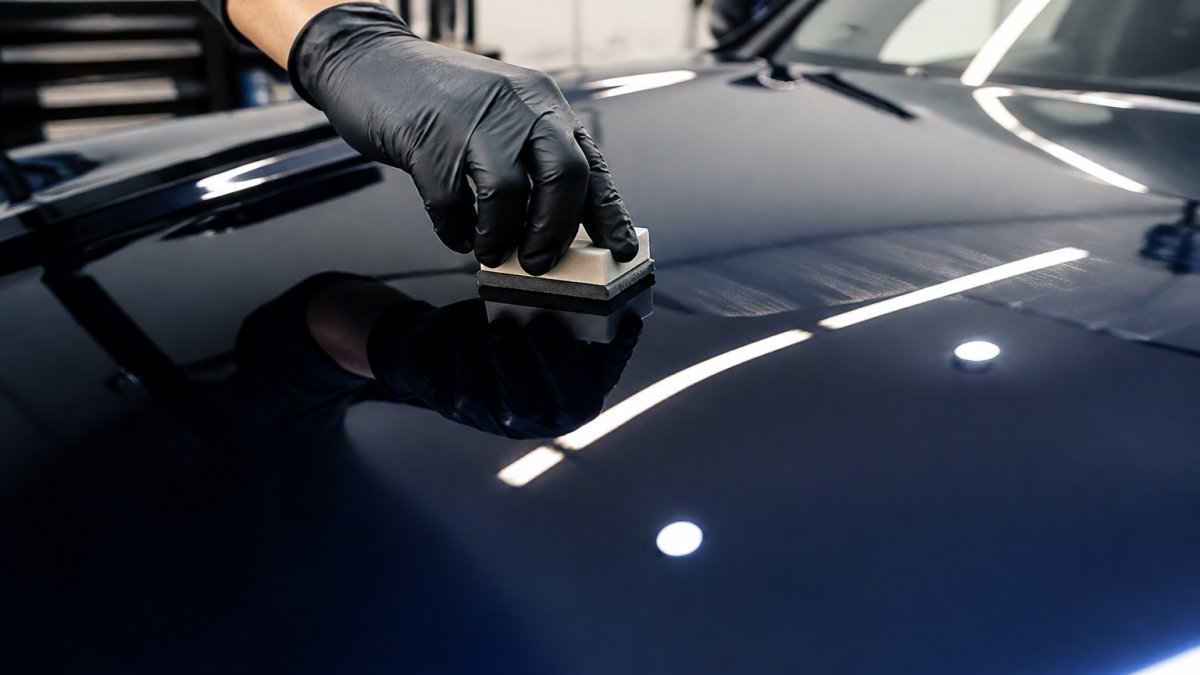
Coating Thickness and Realistic Impact Resistance
Think of ceramic coating like a phone screen protector. It handles daily friction and light contact well. It does nothing against a hammer.
That is the honest framing. The coating's hardness helps with wash-induced marring and light abrasion. It cannot stop a stone flicked up at highway speed, and it cannot stop a shopping trolley.
Is Ceramic Coating Scratch Proof? Understanding Scratch Types and Severity
Ceramic coating is not scratch proof, and no coating on the market is. It reduces the risk of minor surface marks, but the outcome depends entirely on the type and depth of the scratch. To judge what a coating can realistically do, you need to know which layer of your paint has been damaged and how the damage was caused.
The four layers a scratch can reach
A modern automotive finish is a stack, not a single surface. From top to bottom:
- Ceramic coating: a few microns thick, bonded to the clear coat.
- Clear coat: roughly 30 to 50 microns, and this is the layer that carries the gloss and UV stability.
- Base coat: the colour layer, thinner than most people expect.
- Primer and primer surfacer: the adhesion and levelling layers over the bare metal or panel.
Where a scratch stops determines whether it can be polished, whether it needs a repaint, and whether a coating was ever going to help.
Scratch types, ranked by severity
| Damage type | What causes it | Which layer is affected | Can a coating help? |
|---|---|---|---|
| Wash-induced marring and swirls | Grit dragged by sponges, brushes, or dry wiping | Top of the clear coat | Yes, meaningfully |
| Light scratches | Keys brushing past, fingernails, light branch contact | Upper clear coat | Partially, by reducing friction and contact |
| Clear-coat scratches | Trolley corners, minor scrapes, abrasive contact | Through most of the clear coat | No, but the coating may take some of the initial contact |
| Paint-deep scratches | Deliberate keying, panel-to-panel scrapes | Base coat or primer | No |
| Stone chips | Stones and road debris at speed | Clear coat, base coat, sometimes primer | No |
Swirl marks are the classic case a coating genuinely improves. They are abrasion damage from contact, not from the coating failing.
A coated car is easier to clean, so you touch the paint less often and with less pressure. That alone cuts swirl marks. The coating also adds a slick layer that reduces friction during a proper wash, so the same grit does less damage when it does make contact.
Rock chips are a different mechanism entirely. A stone hits at speed and punches straight through the clear coat and the coating with it. That is impact, not abrasion, and a micron-thin film cannot absorb it.
What hardness ratings actually tell you
Coating marketing often leans on hardness scales, such as pencil hardness ratings borrowed from industrial coatings testing. It is worth understanding what those tests do and do not show.
A pencil hardness test drags a graded pencil across a cured film at a set angle and load, then checks whether the film is gouged. It is a comparative measure of a coating's resistance to a sharp point under controlled conditions.
A high hardness number therefore does not mean scratch-proof paint. It means the cured film is relatively resistant to a specific, repeatable laboratory-style indentation. Real-world damage involves different forces, different contact geometries, and different speeds.
The severity test you can do yourself
Before assuming a mark is permanent, check it properly:
- Clean the area with a pH-neutral shampoo and dry it with a clean microfibre.
- Look at the mark under direct sunlight or a bright detailing light at a shallow angle.
- Run a fingernail lightly across it. If your nail does not catch, the damage is usually within the clear coat and may polish out.
- If your nail catches, the scratch is likely deeper than the clear coat and needs professional assessment.
This test does not replace a detailer's inspection, but it stops most people from panicking over a mark that a light polish would remove, and it stops others from trying to polish damage that a coating was never going to prevent.
Does Ceramic Coating Remove Scratches? What to Do About Existing Damage
No, ceramic coating does not remove scratches. It locks in whatever is underneath, which is why paint correction must come first.
This is the step most people skip, and it is the one that matters most. If your paint has swirls or light scratches, a coating will seal them in under a glossy layer that makes them more visible, not less.
The correct order is:
- Wash and decontaminate the paint.
- Machine polish to remove or reduce existing scratches.
- Apply the coating to the corrected surface.
Ceramic Coating vs Paint Protection Film: Which Prevents Scratches Better?
Paint protection film prevents scratches better than ceramic coating. PPF is a thick urethane film that absorbs impact, while ceramic coating is a thin chemical layer that resists minor abrasion. The two are not competitors. They do different jobs, and the best setups use both.
The gap in most explanations is that they stop at the comparison and never help you decide. The useful question is not which product is better in the abstract, but which combination matches your driving, your parking, and your tolerance for maintenance.
| Feature | Ceramic Coating | Paint Protection Film |
|---|---|---|
| Thickness | A few microns | Much thicker film |
| Stops rock chips | No | Yes |
| Reduces swirl marks | Yes | Yes |
| Self-healing | No | Often yes, for light marks |
| Best for | Gloss, easy cleaning, UV defence | Impact zones, front-end protection |
| Typical lifespan | Several years with maintenance | Several years, varies by film grade |
| Maintenance | Coating-safe wash and periodic top-up | Film-safe wash, avoid abrasive polishes |
A decision guide based on how you actually drive
Use these scenarios as a starting point, then confirm specifics with a qualified installer who can inspect your paint and your usage.
Highway commuter, long daily drives. Stone chips are the dominant risk.
City driver, mostly short trips and street parking. Swirl marks and light contact damage are more likely than high-speed chips.
Weekend or enthusiast car, low annual kilometres. Paint condition matters more than impact resistance.
Older car with existing scratches and swirls. Neither product fixes what is already there.
Budget-constrained buyer. If you can only do one, prioritise based on your biggest threat. Chips and impact: PPF on the front end. Swirls and maintenance: ceramic coating.
What to ask an installer before you commit
- Which panels will be covered, and is the film pre-cut or bulk-installed?
- Is paint correction included, and how many stages?
- What is the expected lifespan of the specific coating or film being quoted?
- What maintenance does the warranty require, and what voids it?
- Can the coating be applied over the film, and is that covered by both warranties?
The honest limitation of both products
Neither product repairs existing damage, and neither makes paint indestructible. A coating improves surface properties and makes cleaning easier. A film absorbs impact and can self-heal light marks. A stone at highway speed can still damage a filmed panel, and a deliberate keying will cut through both. The realistic goal is to reduce the frequency and severity of damage, not to eliminate it.
Australian Consumer Law warranty and repair obligations for vehicle detailing services
How to Maintain a Ceramic-Coated Car to Reduce Marring
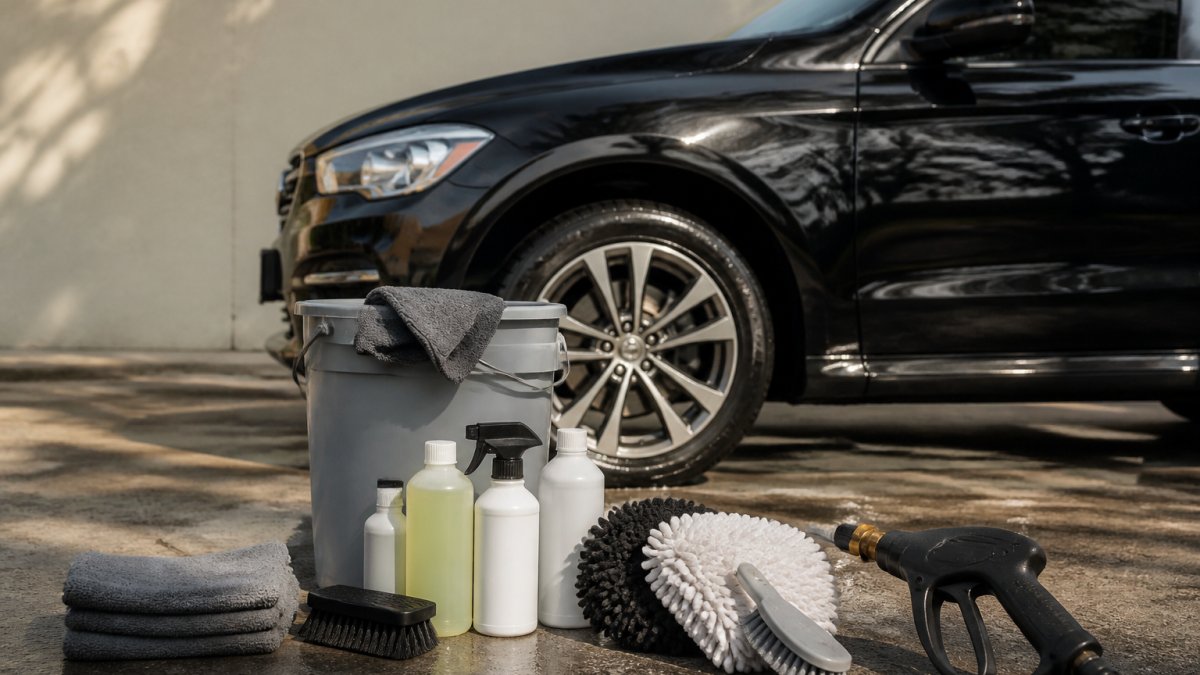
Maintenance decides whether your coating keeps its edge. A coated car still scratches if you wash it badly.
Follow these habits:
- Use the two-bucket method, or a rinse-free wash with clean microfibre.
- Never use a brush at an automatic car wash.
- Dry with a clean microfibre towel or a blower.
- Wash every two to three weeks to stop contaminants bonding.
- Top up with a coating-safe maintenance product.
If a scratch does appear, do not panic. Light marks can often be polished out of the coating itself. Deeper damage needs a professional assessment before you touch it.
Conclusion: Setting Realistic Expectations for Ceramic Coating
Ceramic coating reduces minor surface marring and makes your car far easier to clean, but it is not scratch proof. Expect protection against swirls and light marks, not against chips and deep cuts.
The right choice depends on your driving. If you want the best defence, combine paint protection film on impact zones with a ceramic coating across the rest.
Frequently Asked Questions
What kinds of scratches can ceramic coating protect against?
Ceramic coating helps with minor surface marring: swirl marks from washing, light scratches from fingernails, keys, or soft branches, and faint scuffs that sit in the clear coat. It cannot stop rock chips, deep keying, or scratches that cut through to the base coat. Think of it as reducing the severity of everyday contact, not creating a shield. If you park under trees or regularly use automatic car washes, you will still see some marking over time, just less of it than on uncoated paint.
Is ceramic coating scratch proof?
No. Ceramic coating is not scratch proof, and no liquid-applied coating is. It forms a thin, hard layer that adds some abrasion resistance, but it cannot absorb the impact of a stone or stop a sharp object from cutting through. Coating hardness ratings refer to resistance to fine abrasion, not to physical impact. If a product promises a scratch-proof finish, treat that claim with caution. The realistic benefit is fewer light marks and easier washing, not immunity from damage.
Can I take my car through an automatic car wash if it has ceramic coating?
You can, but you should not if you want the coating to last and the paint to stay swirl-free. Automatic car washes use stiff bristles and recycled water that grind dirt across the surface, which causes the exact marring the coating is meant to reduce. Hand washing with a pH-neutral shampoo, two buckets, and a clean microfibre mitt keeps the coating intact and minimises swirl marks. If you use a touchless wash occasionally, that is a safer compromise.
Can ceramic coating remove existing scratches?
No. Ceramic coating adds a protective layer on top of your paint; it does not fill, melt, or erase scratches. Any scratch that is already there stays there unless it is polished out first. That is why paint correction is done before coating application. If your car has moderate swirling or deeper scratches, a machine polish removes them, then the coating locks in the corrected finish. Applying coating over uncorrected paint simply seals in the damage.
Choosing the right paint protection comes down to honest advice and quality work. At Ipswich Car Care, we apply professional ceramic paint protection, offer transparent starting prices, and let you book online through Square in minutes, no phone call needed. Get started with Ipswich Car Care and give your paint the protection it actually needs.